
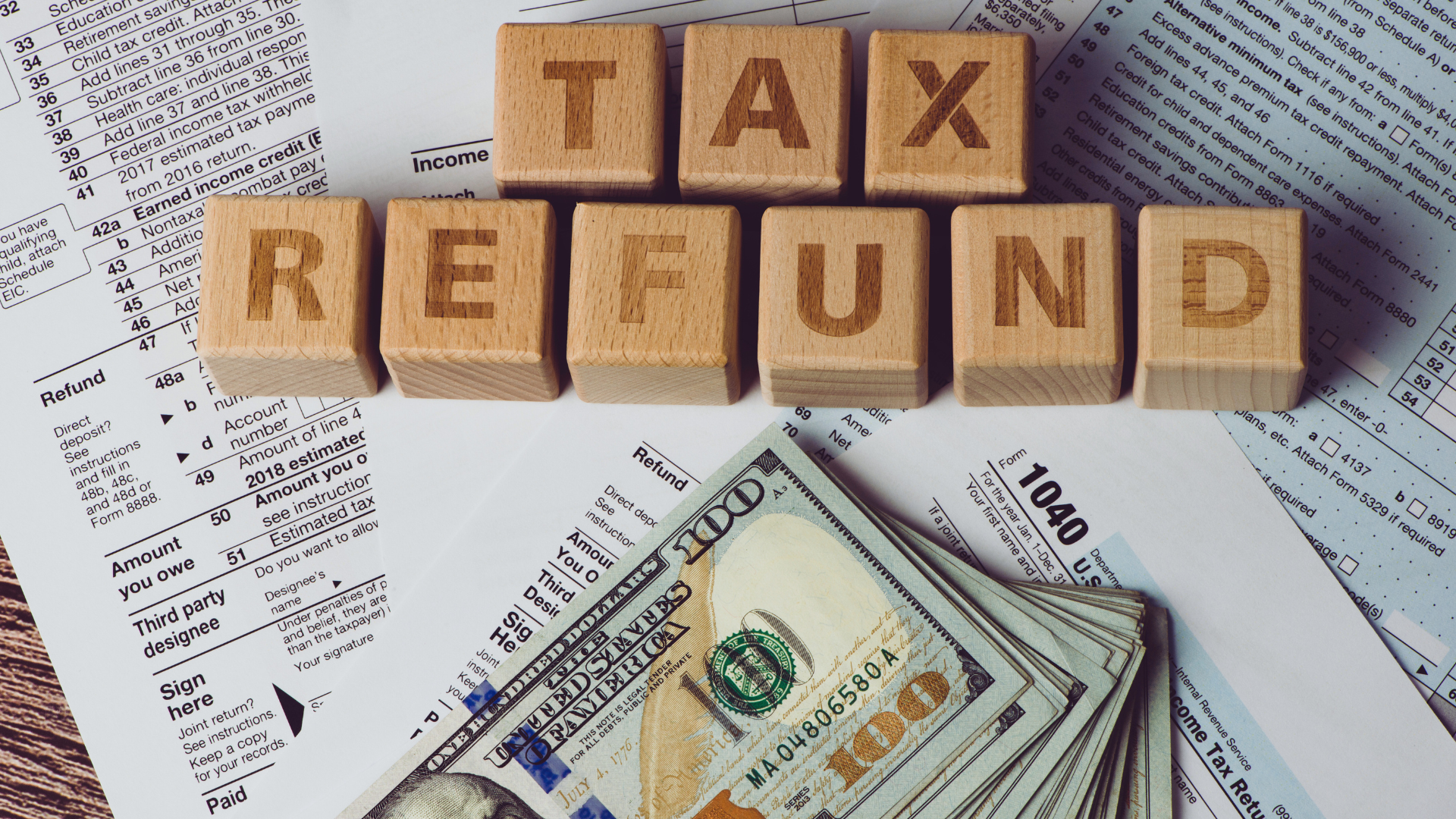
Tax season often brings a welcome boost with tax refunds from the IRS, providing an opportunity for savvy personal finance decisions. Investing that tax refund wisely can yield long-term benefits, whether it’s building an emergency fund, contributing to a retirement account, or paying down high-interest debt. Each choice can significantly impact financial health and future stability.
Consider the potential of setting aside funds for high-interest debts first. Reducing or eliminating these debts can create more financial freedom and save money in the long run. Alternatively, directing a portion of the refund toward retirement savings can enhance future financial security, especially for those who may not have prioritized this in the past.
Another strategy is to invest in education or skill development, which can lead to higher earning potential over time. Tax refunds provide an excellent opportunity to enhance one’s financial landscape, allowing individuals to make informed, strategic decisions that support their long-term goals.
Build a Strong Financial Foundation
A strong financial foundation is essential for long-term stability and peace of mind. Allocating a portion of the tax refund to critical areas can enhance financial health, providing a safety net and reducing burdensome debts, which leads to financial freedom.
Start or Grow Your Emergency Fund
An emergency fund is a vital component of financial security. It acts as a buffer against unexpected expenses like medical bills or car repairs. Financial experts recommend having three to six months’ worth of living expenses saved for an effective safety net.
To build this fund, individuals can direct their tax refund into a high-yield savings account. This type of account typically offers better interest rates compared to standard options, maximizing the growth of your savings. Starting or growing an emergency fund prioritizes financial stability and reduces stress during turbulent times.
Pay Off High-Interest Debt
High-interest debt, such as credit card debt, can severely impact financial health. The interest rates on these debts can compound rapidly, making repayment challenging. Setting aside tax refunds to pay down such debts can save money over time and improve credit scores.
For instance, allocating a portion of the refund toward the credit card balance can decrease monthly payments and interest accrual. This strategy allows individuals to focus on other financial goals without the burden of mounting debts. Additionally, reducing high-interest obligations leads to a more robust financial position.
Boost Your Savings Account
Investing in a savings account helps achieve broader financial goals, such as buying a home or funding education. Using tax refunds to bolster savings accounts supports these objectives and provides liquidity for future needs.
A money market account can be an attractive option as it often offers higher interest rates compared to standard savings accounts. Individuals should shop around to find the best rates and terms. A focused approach to increasing savings facilitates financial growth and secures resources for planned investments.
Invest in Your Future
Investing tax refund money wisely can significantly impact long-term financial health. Two effective strategies include contributing to retirement accounts and funding education savings, which prepare individuals for future goals and financial stability.
Contribute to Retirement Accounts
Using a tax refund to fund retirement accounts is a prudent choice. Individuals can contribute to traditional IRAs, Roth IRAs, 401(k)s, or 403(b)s.
- IRA Contributions: A traditional IRA allows for tax-deferred growth, while a Roth IRA offers tax-free withdrawals in retirement.
- Employer-Sponsored Plans: Contributing to a 401(k) or 403(b) often involves matching contributions from an employer, maximizing investment potential.
Maximizing contributions to these accounts not only boosts retirement savings but also harnesses the power of compound interest over time. By taking advantage of these accounts early, individuals can significantly enhance their financial future.
Fund Education and College Savings
Investing in education through savings plans can be life-changing for future generations. A 529 College Savings Plan is an excellent vehicle for this purpose.
- Tax Benefits: Contributions to a 529 plan grow tax-free, and withdrawals for qualified expenses are also tax-exempt.
- Flexibility: These plans can be used for various educational costs, including tuition, room and board, and supplies.
Starting early with a dedicated college fund prepares children for future academic success and reduces the burden of student debt. Using a tax refund for education savings establishes a solid foundation for their financial future.
Enhance Your Quality of Life
Investing a tax refund can extend beyond financial gains and enrich one’s overall quality of life. Making thoughtful decisions in areas such as home improvement, future planning, and personal enjoyment can lead to lasting benefits. Here are some practical ideas to consider.
Invest in Your Home
Home improvements can significantly increase property value and enhance daily living. Consider upgrading key areas such as the kitchen or bathroom, where renovations can provide the best return on investment. Simple changes like new fixtures, modern countertops, or energy-efficient appliances can have a big impact.
Adding features like smart home technology can improve convenience and energy efficiency. Incorporating outdoor improvements, such as landscaping or a deck, creates enjoyable spaces for relaxation and entertainment. A well-maintained home not only offers comfort but can also serve as a solid financial asset in the long term.
Plan for the Future With an Estate Plan
Establishing an estate plan is a proactive step toward securing one’s legacy and protecting assets. It allows for the distribution of wealth according to personal wishes, minimizing potential disputes among heirs. Key components include wills, trusts, and designating beneficiaries for accounts and properties.
Engaging with a financial advisor or an estate planning attorney can provide tailored advice. They can help identify specific needs, such as minimizing taxes or ensuring provisions for dependents. An effective estate plan provides peace of mind and helps ensure that an individual’s wishes are carried out seamlessly.
Treat Yourself Responsibly
Allocating a portion of the tax refund for personal enjoyment can contribute positively to well-being. However, it is essential to approach spending thoughtfully. Setting a budget allows for indulgent purchases while maintaining financial health.
Whether it’s a short vacation, a new hobby, or a wellness retreat, treating oneself can enhance life satisfaction. Investing in personal development, like courses or workshops, also fosters growth. Balancing indulgence with responsibility ensures that enjoyment does not compromise financial stability in the long run.








+ There are no comments
Add yours