
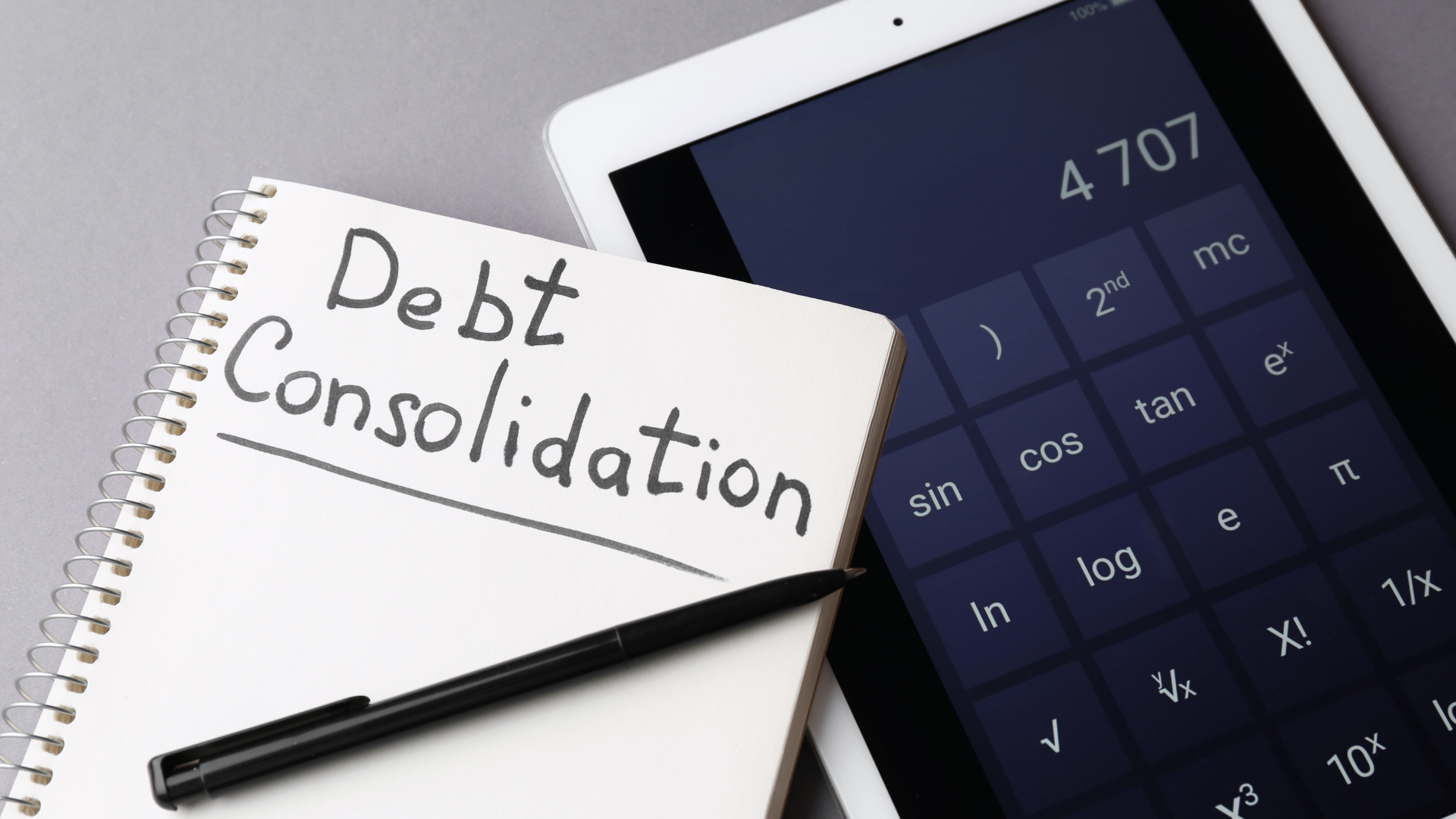
Debt consolidation can simplify your finances by combining multiple debts into a single payment, often at a lower interest rate. The best debt consolidation options include personal loans, balance transfer credit cards, and home equity loans, each suited to different financial situations.
Personal loans offer fixed rates and predictable payments, making budgeting easier. Balance transfer cards provide low or zero interest for a limited time, but require good credit. Home equity loans can offer lower rates, but you use your home as collateral.
Choosing the right method depends on your credit score, debt amount, and repayment timeline. Exploring these options carefully helps reduce financial stress and improve debt management.
Understanding Debt Consolidation
Debt consolidation combines multiple debts into a single payment, which can simplify managing finances and potentially lower interest costs. It involves different methods and impacts your financial situation in specific ways, including changes in payment structure and credit management.
What Is Debt Consolidation
Debt consolidation is the process of combining various unsecured debts, such as credit card balances, medical bills, and personal loans, into one loan or payment. This approach replaces multiple payments with a single monthly payment, often at a fixed interest rate.
It is not debt forgiveness but rather a restructuring strategy aimed at simplifying payments and possibly reducing the overall interest rate. Debt consolidation can be done through personal loans, balance transfer credit cards, or home equity loans.
How Debt Consolidation Works
When consolidating debt, you take out a new loan to pay off existing debts completely. After that, you focus on repaying just the new loan over an agreed term.
The new loan usually has a lower interest rate or longer repayment period, which can reduce monthly payments. However, depending on the terms, extending repayment might increase the total interest paid over time. The goal is to improve cash flow and reduce the complexity of monthly bills.
Benefits of Consolidating Debt
Consolidating debt can lead to a lower single interest rate, potentially saving money on interest charges. It reduces the stress of managing multiple payments, which improves financial organization.
Other advantages include enhancing credit score by maintaining consistent payments and avoiding missed deadlines. Additionally, some consolidation loans offer fixed rates and terms, providing predictable monthly expenses. This predictability aids budgeting and financial planning.
Types of Debt Consolidation Options
Debt consolidation can take several forms, each with distinct features, costs, and eligibility criteria. Choosing the right option depends on factors like credit score, loan terms, and the type of debt you want to consolidate.
Debt Consolidation Loans
Debt consolidation loans are personal loans designed specifically to pay off multiple debts. They typically offer fixed interest rates and a set repayment schedule, which can simplify budgeting.
Lenders may require a good credit score to qualify for lower interest rates. These loans combine all your debts into a single monthly payment, potentially reducing your overall interest costs. However, fees and terms vary, so compare offers carefully.
Balance Transfer Credit Cards
Balance transfer credit cards allow you to move existing credit card debt to a new card with a low or 0% introductory interest rate. These offers usually last between 6 and 18 months.
They work best for individuals who can pay off their balance within the promotional period. Be aware of balance transfer fees, typically 3% to 5% of the amount transferred. After the intro period, the interest rate can increase significantly.
Home Equity Loans and Lines of Credit
Home equity loans and lines of credit (HELOCs) use your home as collateral. Both options often have lower interest rates compared to unsecured loans because they are secured by your property.
A home equity loan provides a lump sum with fixed payments, while a HELOC offers a revolving credit line with variable interest rates. Risks include foreclosure if you fail to repay, so this option requires careful consideration.
Debt Management Plans
Debt Management Plans (DMPs) help borrowers simplify multiple debts into a single, manageable payment while negotiating better terms with creditors. This approach involves structured payments over a fixed period, often with reduced interest rates and waived fees. Support and oversight from credit counseling agencies play a critical role in the process.
How Debt Management Plans Operate
A DMP consolidates unsecured debts like credit card balances into one monthly payment. The credit counseling agency collects this payment and distributes funds to each creditor according to the agreed plan. Typically, the plan lasts 3 to 5 years.
Creditors may agree to lower interest rates or waive penalties to encourage consistent payments. Borrowers must stick to a strict budget and avoid taking on new credit during the plan. While the plan does not eliminate debt, it provides a clearer path to repayment.
Working With Credit Counseling Agencies
Credit counseling agencies assess your financial situation, including income, expenses, and debts. They create a personalized DMP tailored to your ability to pay. These agencies negotiate directly with creditors on your behalf.
It’s important to choose a reputable, nonprofit credit counseling organization. Fees vary; some may charge a setup or monthly fee, but remain low compared to typical creditor fees or interest charges. Agencies also provide ongoing financial education and budgeting assistance to help prevent future debt problems.
Personal Loans for Debt Consolidation
Personal loans offer a straightforward way to combine multiple debts into a single monthly payment. Key factors include understanding how interest rates work and what lenders require for approval.
Fixed vs. Variable Interest Rates
Personal loans commonly feature fixed interest rates, meaning your rate and monthly payments stay the same throughout the loan term. This predictability makes budgeting easier and protects you from rate increases in volatile markets.
Variable interest rates can start lower but may fluctuate based on economic conditions. This can reduce your payments initially, but also increase them unexpectedly, adding risk.
Comparison Table:
| Feature | Fixed Rate | Variable Rate |
| Payment Stability | Consistent monthly payments | Payments can vary |
| Rate Predictability | Rates stay the same | Subject to market changes |
| Risk Level | Lower risk | Higher risk |
| Ideal For | Budget-conscious borrowers | Those comfortable with rate changes |
Approval Requirements
Lenders typically assess credit score, income, debt-to-income ratio, and employment history when approving personal loans for debt consolidation.
A credit score of 650 or higher is often needed for favorable interest rates, though some lenders accept lower scores at higher costs.
Steady income and a manageable debt-to-income ratio (usually below 40%) improve the chances of approval. Documentation like pay stubs, tax returns, and bank statements is commonly required.
Some lenders offer loans with no collateral, but secured loans backed by assets may provide better rates.
Balance Transfer Credit Cards
Balance transfer credit cards offer a way to move existing debt onto a new card with lower interest rates. This strategy can reduce interest payments and help pay down debt faster, but requires careful attention to terms and potential fees.
Introductory 0% APR Offers
Many balance transfer credit cards provide an introductory 0% APR period, typically lasting 12 to 21 months. This means no interest accumulates on the transferred balance during this time, allowing payments to directly reduce the principal.
However, the 0% APR applies only to the balance transfer amount, not to new purchases, which usually carry a higher interest rate. It’s important to complete repayment before the promotional period ends, as the APR will then jump to the card’s standard rate, often between 15% and 25%.
Potential Fees and Drawbacks
Balance transfers usually come with fees of 3% to 5% of the amount transferred. For example, transferring $5,000 could cost between $150 and $250. This fee can offset some benefits if the transferred balance isn’t paid off quickly.
Other drawbacks include the risk of high-interest rates on new purchases and possible damage to credit scores if new accounts are opened frequently. Some cards may also limit transfers to balances on specific types of debt, such as credit cards, but exclude others like personal loans.
Home Equity-Based Consolidation
Using the value built up in your property can provide access to funds for consolidating debt. This method typically offers lower interest rates than unsecured options, but involves risks linked to your home’s value and mortgage terms.
Home Equity Loans
A home equity loan is a lump sum borrowed against the equity in your home. It usually has a fixed interest rate and a set repayment schedule, making monthly payments predictable.
Lenders assess your home’s market value and subtract the remaining mortgage to determine the available amount. This loan type is suitable if you want to pay off multiple debts immediately and prefer stability in payments.
Drawbacks include the risk of foreclosure if you fail to repay, since the loan is secured by your home. Also, closing costs and fees may apply, so it’s important to calculate if the savings on interest outweigh these expenses.
Home Equity Lines of Credit (HELOCs)
A HELOC works like a credit card secured by your home’s equity, offering a revolving line of credit up to a certain limit. You can borrow, repay, and borrow again during a draw period, typically 5 to 10 years.
Interest rates on HELOCs are often variable, which means payments can fluctuate. This option provides flexibility and can be useful if you need ongoing access to funds or want to consolidate debt gradually.
However, since the debt is secured by your property, failing to manage payments can lead to foreclosure. It’s essential to plan for potential rate increases and understand the terms before choosing a HELOC.
Factors to Consider Before Choosing an Option
Before selecting a debt consolidation method, it’s crucial to evaluate key aspects such as cost, credit impact, and repayment flexibility. These factors determine how manageable and effective your consolidation plan will be over time.
Interest Rates and Fees
Interest rates directly affect the total amount paid over the life of the loan. Lower rates reduce monthly payments and overall costs. Compare the APR of each option, including promotional rates, and understand how long those rates last.
Fees can significantly increase expenses. Look for origination fees, monthly maintenance costs, or prepayment penalties. Some consolidation loans charge upfront fees, while others may have hidden charges within the repayment schedule.
Consider whether the new interest rate is fixed or variable. Fixed rates offer predictable payments, while variable rates might start low but can increase later, raising your financial risk.
Impact on Credit Score
Debt consolidation can both positively and negatively affect your credit score. Opening a new loan account usually results in a hard inquiry, which may cause a small, temporary dip in your credit score.
Paying off multiple debts through consolidation can improve your credit utilization ratio and reduce the number of open accounts with balances. This often leads to a higher score over time.
Missed payments on the new loan, however, will harm your credit. Ensure you choose a plan with affordable payments to avoid late fees and negative credit reporting.
Repayment Terms
Longer repayment terms generally lower monthly payments but increase total interest paid. Shorter terms cost less overall but require higher monthly payments, which may strain your budget.
Examine the flexibility of repayment schedules. Some options allow payment deferrals or adjustments during financial hardship, which can be valuable in avoiding default.
Understand the commitment length. Some loans stretch over several years, potentially affecting your financial planning and future borrowing ability. Confirm terms before agreeing to ensure they suit your financial goals.
Steps to Finding the Best Debt Consolidation Solution
Understanding your current finances, comparing various loan offers, and verifying lender reliability are critical steps. This process ensures you pick a solution that fits your needs without causing more financial strain.
Evaluating Your Financial Situation
Start by listing all your debts, including balances, interest rates, and minimum payments. Calculate your total monthly debt payments and your disposable income after essential expenses.
Assess your credit score since it affects loan eligibility and interest rates. Identify any fluctuating income sources or upcoming expenses that could impact your ability to repay.
Knowing these details helps determine how much you can afford to borrow and repay comfortably without risking further debt.
Comparing Offers
Gather detailed terms from multiple lenders, such as interest rates, fees, loan length, and payment schedules. Use a spreadsheet or table to compare the total cost of each option over time.
Pay attention to origination fees, prepayment penalties, and whether interest rates are fixed or variable. Lower monthly payments might mean longer loan terms, which could increase total interest paid.
Look for transparency in the loan terms and avoid offers that lack clear details or have complex conditions.
Checking Lender Credibility
Research lender reviews from trusted sources and check for any complaints with consumer protection agencies. Confirm the lender is licensed and follows state and federal lending laws.
Verify the lender’s customer service responsiveness and willingness to answer questions. Be cautious if a lender pressures you to finalize quickly or requires upfront fees before loan approval.
A credible lender will offer clear communication and have a solid reputation for ethical lending practices.
Alternative Strategies for Managing Debt
When traditional debt consolidation isn’t the best fit, exploring other methods can help reduce overall debt burdens. These options may affect credit scores and financial stability differently, so understanding their mechanics and consequences is vital.
Debt Settlement
Debt settlement involves negotiating with creditors to pay a lump sum that is less than the full amount owed. It can reduce your debt load, but usually requires a significant financial commitment upfront. Settling debts can stop collection efforts faster than other options.
Creditors may agree to settlements if they believe collecting the full balance is unlikely. However, settled debt is often reported as “settled for less than full balance,” which can negatively impact credit scores. Additionally, forgiven debt might be considered taxable income by the IRS.
Using a reputable debt settlement service can assist with negotiations, but fees often apply. It’s crucial to review all terms, including potential tax consequences and the impact on your credit history, before choosing this path.
Bankruptcy Considerations
Bankruptcy offers a legal way to eliminate or restructure debts but has long-lasting credit implications. Chapter 7 bankruptcy completely wipes out many unsecured debts but typically requires asset liquidation. Chapter 13 creates a repayment plan lasting three to five years.
Filing for bankruptcy stays on credit reports for 7-10 years, affecting credit availability and interest rates. It may stop creditor actions like wage garnishments or lawsuits while proceedings are underway. However, eligibility depends on income and other factors.
Bankruptcy should be considered a last resort after exploring all other debt management options. Consulting a qualified bankruptcy attorney can clarify if this is the appropriate measure based on your financial circumstances.
Common Mistakes to Avoid
One common mistake is failing to compare interest rates carefully. Consolidating debt with a higher rate defeats the purpose. Always check the total cost of the new loan.
Another error is ignoring fees. Some consolidation options come with application fees, balance transfer fees, or early repayment penalties. These extra costs reduce potential savings.
Using consolidation as a way to rack up new debts is risky. It’s important to stop accumulating more debt while paying off the consolidated amount. Otherwise, financial problems may worsen.
Ignoring the loan term can also cause problems. A longer repayment period may lower monthly payments but increase total interest paid. Understand the trade-offs before deciding.
For clarity, here’s a quick checklist:
| Mistake | Why it’s a problem |
| Not comparing rates | Could lead to higher interest costs |
| Overlooking fees | Unexpected expenses reduce savings |
| Accumulating new debt | Increases overall financial burden |
| Ignoring loan length | Might increase the total amount paid over time |
Avoiding these mistakes can improve the chances of successful debt consolidation.









+ There are no comments
Add yours