
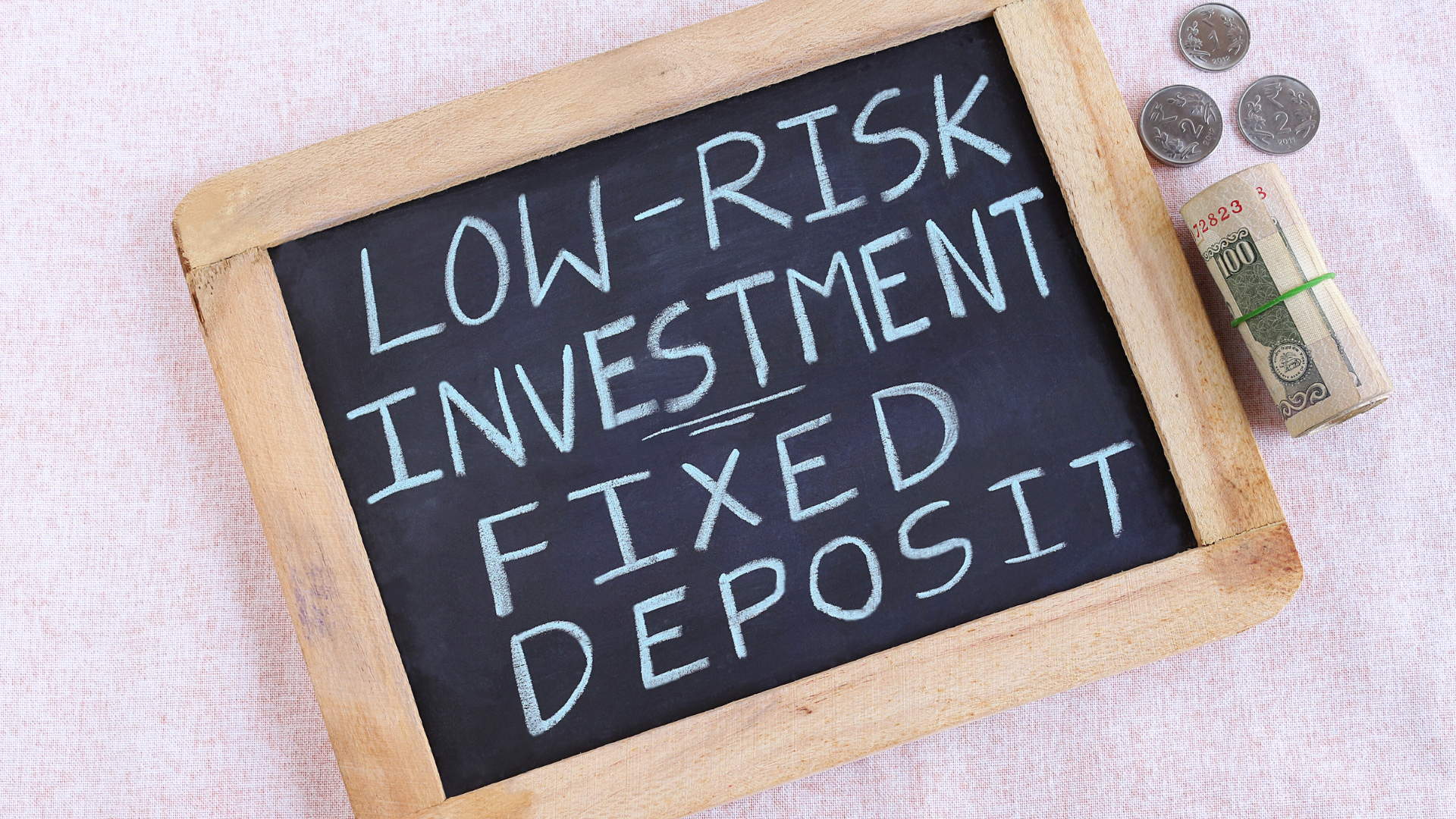
Low-risk investments are ideal for beginners who want to grow their money without exposing it to significant fluctuations. These options focus on preserving capital while earning modest returns, making them suitable for cautious investors.
Some of the best low-risk investments include high-yield savings accounts, certificates of deposit (CDs), and government bonds. These choices offer stability and predictable income, helping new investors build confidence in their financial decisions.
Understanding these basic investment tools can help beginners avoid common pitfalls and create a foundation for future financial growth. Exploring each option will clarify how they fit different goals and risk tolerances.
Understanding Low Risk Investments
Low-risk investments focus on preserving capital while generating steady returns with minimal volatility. They suit investors who prioritize security and predictability over high gains. The following details help clarify what low risk means, why it matters for beginners, and common misunderstandings surrounding these options.
What Defines a Low Risk Investment
A low-risk investment typically has a low probability of losing the principal amount. These investments tend to offer stable but modest returns compared to higher-risk alternatives. Examples include government bonds, certificates of deposit (CDs), and high-grade corporate bonds.
Risk is often measured by volatility, default potential, and liquidity. Low-risk investments usually have high credit ratings and strong backing by institutions or governments. They provide predictable income streams, making it easier to plan financial goals without sudden losses.
Benefits for Beginners
Low-risk investments offer beginners an accessible way to enter financial markets without exposure to significant losses. They help new investors build confidence by providing steady, reliable returns. By avoiding risky assets, beginners can focus on learning about investing mechanics gradually.
These investments also facilitate better financial discipline. Since returns are predictable, beginners can set realistic expectations and slowly increase their investment size over time. Moreover, low-risk options diversify a portfolio, balancing riskier assets and protecting against market downturns.
Common Myths and Misconceptions
There is a widespread belief that low risk means no risk. While these investments are safer, they are not completely risk-free. Inflation risk, interest rate risk, and sometimes liquidity issues can affect returns and principal value.
Another misconception is that low-risk investments yield negligible returns. Although returns are lower than those of stocks or mutual funds, they remain meaningful when used as part of a diversified strategy. Patience and compounding also improve their overall effectiveness for wealth growth.
Key Criteria for Safe Investing
Safe investing depends on understanding your personal comfort with risk, spreading your money across different assets, and ensuring you can access funds when needed. Evaluating these factors helps maintain stability and reduce unexpected losses.
Assessing Risk Tolerance
Risk tolerance varies by individual and influences the level of investment volatility you can withstand. Beginners should honestly assess how fluctuations in investment value affect their emotional and financial stability.
Tools like questionnaires or risk assessment apps can provide insight into your risk profile. Investors with low tolerance should prioritize conservative options with lower potential losses, even if returns are modest.
Consistently reviewing risk tolerance is important as financial goals or life situations change. Avoiding overexposure to risky assets helps protect capital, especially during market downturns.
Importance of Diversification
Diversification involves spreading investments across a range of asset types to reduce overall risk. By allocating funds in stocks, bonds, and cash equivalents, you avoid putting all your money into one area.
A well-diversified portfolio balances growth and safety, limiting the impact of any single asset’s poor performance. For beginners, diversification can include index funds or ETFs that cover various sectors and geographies.
Use a simple model like the “core and satellite” approach, where the core holds stable investments and satellites add growth potential. Regular portfolio rebalancing maintains this balance over time.
Evaluating Liquidity
Liquidity means how quickly and easily investments can be converted to cash without significant loss of value. High liquidity is crucial for emergency funds or short-term needs.
Common liquid assets include savings accounts, money market funds, and government bonds. Less liquid options like real estate or certain mutual funds may take longer to sell and could lose value if rushed.
Prioritize liquidity based on your time horizon and financial commitments. Maintaining an emergency buffer with highly liquid investments prevents forced sales during market lows.
Best Low-Risk Investment Options
Low-risk investments offer steady returns and preservation of capital. They typically have limited volatility and are easy to access or understand. The following options emphasize safety and consistent growth.
High-Yield Savings Accounts
High-yield savings accounts provide better interest rates than traditional savings accounts. These accounts are offered primarily by online banks and financial institutions.
They offer interest rates ranging from 3% to 5% annually, depending on the bank and market conditions. Funds in these accounts remain liquid, allowing withdrawals without penalties.
Additionally, high-yield savings accounts are FDIC insured up to $250,000 per depositor, per institution. This insurance protects your money against bank failure.
Certificates of Deposit (CDs)
CDs lock in your money for a set period, usually from 3 months to 5 years. In return, they offer higher interest rates compared to regular savings accounts.
The rates are fixed, providing a predictable income. Early withdrawals usually incur penalties, reducing liquidity and flexibility.
CDs are also FDIC insured up to $250,000, ensuring principal safety. This option fits investors comfortable with committing funds for a specific term to earn a guaranteed return.
Money Market Accounts
Money market accounts combine checking and savings features with low risk. They earn higher interest rates than regular savings accounts but typically require a higher minimum balance.
These accounts offer limited check-writing ability and debit card access, improving convenience. Interest rates vary but usually sit between savings accounts and CDs.
Like savings accounts and CDs, money market accounts are FDIC-insured up to $250,000. They balance access and earnings, appealing to conservative investors seeking both safety and liquidity.
Exploring Conservative Securities
Conservative securities offer lower risk while providing steady income streams. They are often favored by beginners due to their reliability and protection of principal.
U.S. Treasury Securities
U.S. Treasury securities are government-issued debt instruments regarded as among the safest investments. These include Treasury bills, notes, and bonds, each differing by maturity length. They are backed by the full faith and credit of the U.S. government, meaning virtually no default risk.
Interest payments on Treasury notes and bonds are exempt from state and local taxes. Treasury bills, sold at a discount, mature at face value, providing a fixed return. These securities are highly liquid with active secondary markets, allowing easy buying and selling. Their reliable returns and safety make them a prime choice for risk-averse investors.
Investment-Grade Bonds
Investment-grade bonds are issued by corporations or governments with strong credit ratings, typically BBB- or higher by agencies like S&P. These bonds carry moderate risk with predictable interest payments, making them suitable for conservative portfolios.
They offer higher yields than Treasuries but come with slightly more credit risk. The bond’s quality is essential; higher-rated bonds reduce the chance of default. Corporate investment-grade bonds can be from sectors with stable cash flow. Investors should consider bond duration and issuer health to balance yield and safety.
Municipal Bonds
Municipal bonds are debt securities issued by states, cities, or counties to finance public projects. They generally provide tax-exempt interest income at the federal level and sometimes at the state and local levels, adding to their appeal.
These bonds are considered low risk if issued by well-established municipalities. There are two main types: general obligation bonds, backed by taxing power, and revenue bonds, secured by specific revenue sources. Municipal bonds offer steady income and lower tax burdens but may carry some credit risk depending on the issuer’s fiscal condition.
Low Risk Mutual Funds and ETFs
Mutual funds and ETFs provide diversified exposure while keeping risk comparatively low. They are accessible, often have lower fees, and can suit conservative investors seeking steady growth with limited volatility.
Index Funds for Beginners
Index funds track a market benchmark, such as the S&P 500, offering broad market exposure. They typically have lower fees than actively managed funds because they follow a set list of stocks rather than a manager’s choices.
These funds reduce risk through diversification, spreading investments across many companies. For beginners, they provide a simple way to invest without needing to pick individual stocks.
Most index funds offer consistent returns close to the market average. This predictability makes them a reliable choice for building wealth over time with moderate risk.
Short-Term Bond Funds
Short-term bond funds invest in bonds maturing generally within one to three years. They are less sensitive to interest rate changes, which lowers price volatility compared to long-term bond funds.
Such funds offer more stability and regular income, appealing to conservative investors. They may include government, municipal, or corporate bonds, each with a different risk profile.
While returns are usually lower than stocks, these funds provide steady cash flow with less risk of principal loss. They work well for preserving capital while earning moderate returns.
Real Asset Opportunities
Investing in tangible assets can offer stability and income potential. These opportunities often provide diversification beyond traditional stocks and bonds while limiting exposure to market volatility.
Real Estate Investment Trusts (REITs)
REITs allow investors to purchase shares in real estate portfolios that generate income through property rents. They provide access to commercial real estate without the need to buy physical properties.
Many REITs pay regular dividends, making them attractive for income-seeking beginners. These dividends tend to be higher than those from standard stocks due to the requirement that REITs distribute at least 90% of taxable income to shareholders.
Liquidity is a key advantage, as publicly traded REITs are bought and sold like stocks on exchanges. However, they do carry some market risk, so choosing well-established REITs with diversified holdings can help reduce potential losses.
Stable Value Funds
Stable value funds focus on preserving capital while providing steady returns, primarily through contracts with insurance companies and high-quality bonds. They are commonly offered in retirement plans like 401(k)s.
These funds aim to maintain a stable net asset value, typically $1 per share, minimizing losses during market downturns. Their returns are generally higher than those of money market funds but lower than those of stocks.
One key benefit is the protection against interest rate fluctuations, which helps smooth returns. However, they are less accessible outside of employer-sponsored retirement accounts and may have limited withdrawal options.
Tips for Managing a Low-Risk Portfolio
Managing a low-risk portfolio requires clear expectations and consistent monitoring. Effective strategies focus on understanding potential returns and regularly assessing investments to maintain a balanced portfolio aligned with your goals.
Setting Realistic Return Expectations
Low-risk investments typically offer lower returns compared to higher-risk options. Expecting steady, modest gains rather than large windfalls helps prevent disappointment and poor decision-making. For example, U.S. Treasury bonds or high-quality municipal bonds might yield 2-4% annually, which is reasonable for low risk.
It’s important to keep in mind the trade-off between risk and return. Aiming for extremely high returns with low risk increases the chance of unrealistic goals. Accepting smaller but consistent returns supports long-term growth and capital preservation. This mindset reduces the temptation to chase volatile or speculative assets that don’t fit a low-risk strategy.
Regular Portfolio Reviews
Scheduled reviews, such as quarterly or semiannually, ensure your portfolio stays aligned with your risk tolerance and financial goals. Market changes or shifts in your personal situation may require adjustments.
During reviews, check if investments still meet low-risk criteria and rebalance to maintain target allocations. For instance, if bonds have decreased in value and stocks have increased, selling some stocks and buying bonds can restore balance. Regular reviews help avoid unintended risk buildup and improve portfolio stability over time.
Common Pitfalls to Avoid
One common mistake is failing to diversify. Putting all funds into a single type of low-risk investment increases exposure to specific market or issuer risks. It’s wiser to spread investments across different options for balanced risk.
Another trap is ignoring fees and expenses. Some low-risk investments, such as bond funds or CDs, may have hidden costs that reduce overall returns. Always review the fee structure before committing funds.
Many beginners overestimate returns from low-risk options. While safer investments are less volatile, their gains tend to be modest. Expecting high profits can lead to disappointment or unnecessary risk-taking.
Not considering inflation can erode purchasing power. Low-risk investments typically offer lower returns, sometimes below the inflation rate. It’s important to select options that at least keep pace with inflation to preserve value.
| Pitfall | Reason to Avoid |
| Lack of diversification | Higher risk from concentration |
| Overlooking fees | Reduced net returns |
| Expecting high returns | Risking unrealistic investment goals |
| Ignoring inflation | Loss of purchasing power over time |
Avoid rushing into investments without research. Understanding the features and limits of each option will lead to more informed and safer decisions.










+ There are no comments
Add yours