
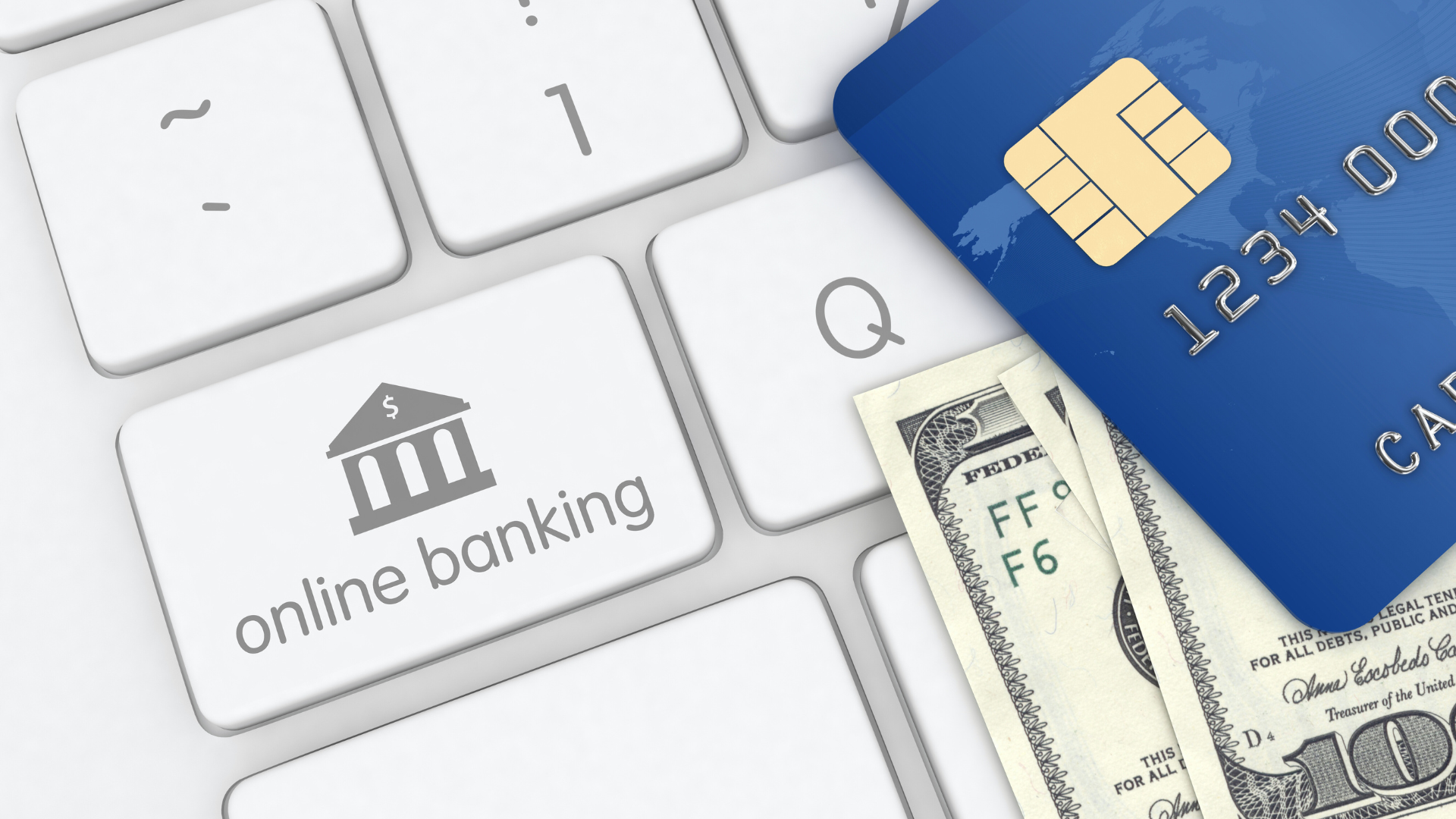
Choosing the right online bank for everyday banking can save you time and money while providing convenient access to your funds. Many online banks offer no fees, competitive interest rates, and user-friendly mobile apps designed for daily use.
The best online banks for everyday banking combine low fees, strong security, and efficient digital tools that make managing your money simple and accessible. These institutions often provide 24/7 customer support and perks like ATM fee reimbursements to enhance your banking experience.
Understanding which banks stand out can help you avoid unnecessary costs and frustration. This guide highlights options that suit regular transactions, bill payments, and saving goals with straightforward features.
What Is an Online Bank?
Online banks provide banking services primarily over the internet, without physical branch locations. They use technology to deliver accounts, payments, and other financial products efficiently and often at lower costs.
Definition and Overview
An online bank is a financial institution that operates exclusively online. Customers manage checking accounts, savings accounts, loans, and other products via websites or mobile apps. Unlike traditional banks, online banks typically do not have brick-and-mortar branches.
These banks are federally insured, just like traditional banks, ensuring customer deposits are protected up to $250,000 through the FDIC or NCUA. Online banking services focus on convenience, offering 24/7 access, digital payments, and faster account opening processes.
How Online Banks Operate
Online banks run on digital platforms that handle account management, customer support, and transaction processing. They invest heavily in cybersecurity and user-friendly interfaces to create smooth customer experiences.
Operations rely on technology infrastructure that automates many routine tasks. This efficiency allows online banks to lower fees and provide higher interest rates on savings accounts. Transactions such as deposits and withdrawals happen through ATMs, mobile check deposit features, or electronic transfers.
Customer service is mostly remote via chat, email, or phone, eliminating face-to-face interaction but speeding response times and availability.
Key Differences from Traditional Banks
The main difference is the lack of physical branches in online banking. This reduces overhead costs and allows online banks to focus on digital tools and competitive rates.
Traditional banks offer in-person services like teller assistance and notarizations, which most online banks do not provide. However, online banks compensate with extended service hours and mobile banking features.
Another difference is the fee structure: online banks usually have lower or no monthly fees, and no minimum balance requirements. They also tend to provide higher interest rates on savings and checking accounts compared to brick-and-mortar banks.
Benefits of Using Online Banks for Everyday Banking
Online banks offer easy access to your funds, attractive rates, and reduced costs. These features can enhance how you manage daily financial tasks efficiently and affordably.
24/7 Account Access
Online banks provide round-the-clock access to your accounts through web and mobile apps. You can check balances, transfer money, and pay bills any time, without visiting a branch.
This constant availability supports quick decision-making and convenience, especially for those with irregular schedules or who travel frequently. Many also offer instant alerts and notifications to keep you updated on transactions.
Customer service is often accessible 24/7 via chat or phone, allowing immediate help when needed. This flexibility removes the limits posed by traditional bank hours.
Competitive Interest Rates
Online banks typically offer higher interest rates on savings and checking accounts compared to traditional banks. Savings accounts often yield 3 to 5 times more.
The reason is lower operating costs since they don’t maintain physical branches. These cost savings get passed on to customers in the form of better returns.
Higher rates can help your money grow faster while still providing easy access for daily use. Some online banks also provide tiered rates, increasing returns as your balance grows.
Lower Fees
Online banks usually charge lower fees for everyday services. Monthly maintenance fees, overdraft fees, and ATM fees tend to be minimal or eliminated altogether.
Because of reduced overhead, online banks can afford to offer fee-free checking accounts or reimburse ATM costs nationally. This adds up to significant savings over time.
In addition, fund transfers and bill payments often come with no extra charges. These features make daily banking more cost-effective, especially for customers who want to avoid unnecessary fees.
Top-Rated Online Banks for Everyday Banking
Several online banks stand out for different strengths, such as comprehensive features, ease of use, and competitive savings rates. Choosing the right one depends on what you prioritize in everyday banking—whether it’s broad service options, intuitive platforms, or high returns on savings.
Best Overall Online Bank
Ally Bank is recognized for its all-around strong offerings. It provides no monthly maintenance fees, competitive interest rates on checking and savings accounts, and 24/7 customer support.
Ally also offers fee-free access to a large network of ATMs nationwide. Mobile and online banking platforms are robust, with features like early direct deposit and automatic savings tools. There are no minimum balance requirements, which suits most everyday banking needs comfortably.
The bank’s straightforward fee structure and wide range of products make it suitable for users who want dependable, no-hassle banking.
Most User-Friendly Online Bank
Chime tops user experience with a clean, simple app design focused on ease of navigation. Its automatic savings features and early paycheck access appeal to customers who want to simplify money management.
The Chime app includes real-time transaction alerts, no overdraft fees up to $200, and a fee-free system that encourages budgeting without surprises. Account setup is fully online and quick, supported by responsive customer service primarily through chat.
For those who prioritize intuitive technology and transparent practices, Chime’s platform reduces friction in everyday transactions.
Best for High-Yield Savings
Marcus by Goldman Sachs offers one of the most competitive APYs for online savings accounts, regularly above the national average. This makes it ideal for users looking to maximize interest earnings without tying up money in certificates or long-term accounts.
Marcus does not offer checking accounts, but integrates easily with external banks for transfers. There are no fees to open or maintain the savings account, and the minimum deposit is low or nonexistent in many cases.
This bank suits customers focusing specifically on growing their savings while maintaining online access and flexibility.
Account Types Offered by Online Banks
Online banks typically provide a variety of account options designed to meet different financial needs. These include everyday transaction accounts, interest-earning savings accounts, and fixed-term deposit options that offer higher returns for longer commitments.
Checking Accounts
Online checking accounts focus on accessibility and convenience. Most offer no monthly fees, no minimum balance requirements, and unlimited transactions. Features often include free ATM access or reimbursement for out-of-network ATM fees, mobile check deposit, and bill pay services.
Some online banks provide high-yield checking accounts with interest rates significantly above traditional banks, though these may require specific qualifications like a minimum number of monthly debit card transactions. Overdraft protection and real-time transaction alerts enhance security and avoid fees.
Savings Accounts
Savings accounts at online banks generally provide higher interest rates than those at brick-and-mortar banks. They often have low or no minimum balance requirements, making them accessible for most users.
Online savings accounts emphasize ease of transfers between linked checking accounts, automatic savings tools, and no monthly maintenance fees. However, federal regulations may limit convenient withdrawals to six per statement cycle. Interest compounds daily or monthly, further aiding growth.
Certificate of Deposit (CD) Accounts
CDs offered by online banks tend to feature competitive fixed interest rates locked in for terms ranging from three months to five years. Early withdrawal penalties apply but can vary widely, so review terms carefully.
Online CDs often provide higher yields compared to traditional bank CDs due to lower overhead costs. Many sites allow easy laddering strategies to optimize returns and liquidity. Minimum deposit amounts for online CDs generally start around $500 or $1,000.
Evaluating Online Bank Features
When choosing an online bank, consider how well the platform meets daily needs. Key areas include the ease of use in digital tools, availability of responsive support, and access to fee-free ATMs. These factors directly affect convenience and cost.
Mobile App Functionality
A robust mobile app is crucial for managing finances on the go. Look for apps that include features like mobile check deposit, bill pay, and instant transaction alerts. Clear navigation and fast loading times improve the user experience significantly.
Security measures like biometric login and two-factor authentication protect accounts effectively. Some banks also offer budgeting tools or spending categorization within the app, which can help users track and control expenses easily. Regular updates and positive user reviews indicate ongoing app reliability.
Customer Support Options
Effective customer support should be accessible 24/7 through multiple channels such as phone, chat, and email. Quick response times and knowledgeable agents matter most. Some banks offer dedicated support teams for high-value customers or specific account types.
Self-service options like detailed FAQs and in-app help centers can resolve common issues without needing direct contact. Transparency about response times and clear escalation paths also enhances user confidence in support services.
ATM Network Availability
Access to a broad ATM network directly reduces withdrawal fees. Many online banks partner with large ATM networks or refund fees charged by other ATM operators. Confirm the bank’s fee reimbursement policy before choosing an account.
Some online banks provide maps or apps to locate surcharge-free ATMs easily. Consider coverage in frequent locations like home, work, or travel destinations. Limited ATM access can lead to added costs and inconvenience.
Safety and Security in Online Banking
Security is a key factor when choosing an online bank. Strong fraud protection, guaranteed deposit insurance, and advanced encryption are essential to protect your money and personal information.
Fraud Protection Measures
Online banks use multiple layers of fraud protection to secure accounts. These include real-time transaction monitoring, which flags suspicious activities immediately.
Many banks offer multi-factor authentication (MFA), requiring a second verification step like a text code or fingerprint. This reduces the risk of unauthorized access.
Alerts via email or SMS notify you of transactions or logins. Some banks also provide zero liability policies, meaning customers aren’t responsible for unauthorized charges if they report them promptly.
FDIC Insurance Explained
FDIC insurance protects your deposits up to $250,000 per depositor, per bank. This coverage applies regardless of whether your account is with a traditional or online bank.
The Federal Deposit Insurance Corporation guarantees your funds even if the bank fails. This applies to checking, savings, money market accounts, and CDs.
Online banks must meet the same regulatory requirements as physical banks to qualify for FDIC insurance, ensuring your money remains protected.
Data Encryption Standards
Most online banks use 256-bit AES encryption to protect data during transmission and storage. This is the same standard used by major financial institutions.
Encryption converts data into coded formats that are unreadable without the proper key, securing sensitive information like passwords and account numbers.
Banks also rely on Secure Sockets Layer (SSL) or Transport Layer Security (TLS) protocols for secure web connections. This prevents data interception by hackers during online sessions.
Opening and Managing an Online Bank Account
Setting up and controlling an online bank account involves a straightforward, digital-first process. Understanding the steps and available tools ensures efficient use and security of your finances.
Account Opening Process
Opening an online bank account typically requires filling out an application on the bank’s website or mobile app. You’ll need to provide personal details such as your name, address, date of birth, Social Security number, and a valid form of identification like a driver’s license or passport. Many banks use electronic ID verification to speed up approval.
Most online banks offer instant account approval or provide status updates within a day. After approval, you’ll receive account details and instructions to set up security features such as two-factor authentication and fingerprint or face ID access. Keep in mind that some accounts may require you to meet minimum deposit requirements or link an external bank account during setup.
Funding and Managing Your Account
Funding your online bank account is often done by transferring money from an existing bank account through ACH transfer, wire transfer, or mobile check deposit. Some banks allow direct deposit setup for paychecks and government benefits.
Once set up, managing your account involves regularly monitoring balances, setting up alerts for transactions or low balances, and utilizing budgeting tools provided by the bank. Online banking platforms also let you pay bills, transfer funds between accounts, and make person-to-person payments instantly. Using secure Wi-Fi and monitoring account activity helps prevent fraud.
How to Switch to an Online Bank
Switching to an online bank requires clear steps to avoid service interruptions or missed payments. It involves preparing your existing accounts, moving your funds, and updating recurring transactions.
Steps for a Smooth Transition
Start by researching and selecting an online bank that fits your daily banking needs. Open an account and set up online access before closing your current accounts.
Keep your old accounts open for a few weeks after opening the new one to ensure all pending transactions clear. Inform your employer about your new direct deposit details to avoid payment delays.
Update your contact information and enable alerts on the new account. Lastly, safely destroy any old checks or cards once you confirm the new account is fully active.
Transferring Funds and Payments
Begin by transferring an initial balance from your old bank to your new online account. Use electronic transfers or linked external accounts for faster and more secure moves.
Next, update all automatic payments and direct debits with the new routing and account numbers. This includes utilities, subscriptions, and loan payments.
Monitor your old account for any remaining transactions or fees. Avoid closing it until all transfers and payments confirm successful processing to prevent overdrafts or declined payments.
Potential Drawbacks of Online Banks
Online banks offer many conveniences, but they also have limitations. One of the main concerns is the lack of physical branch access. Customers who prefer face-to-face service may find this inconvenient or frustrating.
Another drawback is the reliance on technology. If the website or mobile app experiences downtime, users might temporarily lose access to their accounts. This can be problematic during urgent financial needs.
Some online banks have limited product offerings. Services such as loans, mortgages, or certain types of accounts may not be available or as flexible as those at traditional banks.
Security concerns persist despite strong encryption and safety measures. Customers need to be vigilant about phishing and other online scams, as these risks can be more pronounced without in-person support.
| Potential Drawbacks | Explanation |
| No Physical Branches | Limited or no in-person customer service |
| Service Interruptions | Website or app downtime impacts access |
| Limited Product Range | Fewer loan or investment options are available |
| Security Risks | Increased potential for online fraud or scams |
Understanding these factors helps in assessing whether an online bank suits personal banking needs.
Conclusion
Choosing the best online bank for everyday banking depends on individual needs, such as fee structures, interest rates, and digital tools. Each bank offers unique features that cater to different priorities like budgeting, savings, or seamless transfers.
Common benefits across top online banks include low fees, high-yield savings options, and user-friendly mobile apps. Security measures like two-factor authentication and fraud monitoring are standard and critical factors to consider.
| Key Features to Compare | Importance |
| No monthly maintenance fees | Keeps costs low |
| ATM access | Convenience for cash needs |
| Mobile banking app | Essential for daily use |
| Interest rates on savings | Helps grow your money |
| Customer support availability | Resolves issues quickly |
Reviewing these factors and matching them with personal banking habits ensures a good fit. Staying informed on updates or terms can also help maximize benefits.
Make decisions based on clear comparisons rather than marketing claims. Prioritize what matters most to your financial management.








+ There are no comments
Add yours