
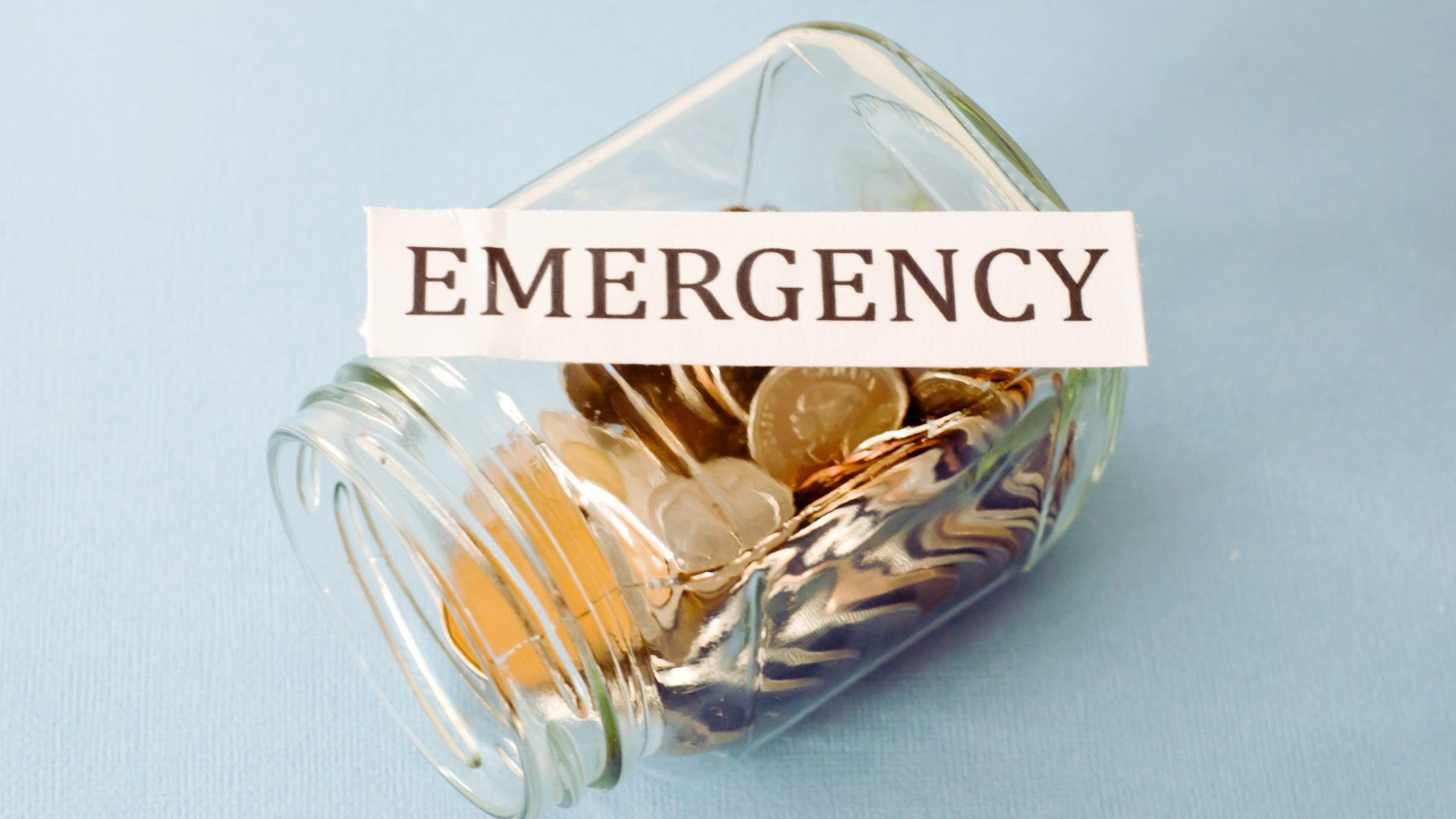
Emergency savings serve as a crucial financial safety net, enabling individuals to navigate unexpected situations such as job loss or medical emergencies. Experts recommend aiming for three to six months’ worth of living expenses in an emergency fund to maintain financial stability during challenging times. This target amount can vary based on personal circumstances, such as job security or household composition.
Many people underestimate the importance of having accessible savings, often finding themselves unprepared when emergencies arise. By assessing their own needs and potential risks, individuals can tailor their savings goals effectively, ensuring they are ready for whatever life may bring.
Building an emergency fund takes time and discipline, but the peace of mind it provides is invaluable. Understanding how much is enough can empower individuals to take control of their financial futures.
Understanding Emergency Savings
Emergency savings serve as a critical financial safety net for individuals facing unexpected expenses. An adequate emergency fund can protect against unforeseen circumstances and provide peace of mind in times of crisis.
What Is an Emergency Fund?
An emergency fund is a dedicated savings account set aside specifically for unexpected expenses. Common purposes include medical emergencies, car repairs, or job loss.
Typically, this fund should be easily accessible, allowing for prompt use when needed. It is advisable to keep these funds separate from regular checking or savings accounts to minimize the temptation to use them for non-emergencies.
Many financial experts recommend aiming for three to six months’ worth of living expenses in an emergency fund. This amount can vary based on individual circumstances, such as employment stability or health concerns.
Why Emergency Savings Matter
Emergency savings play a vital role in financial wellness. Without such funds, individuals may struggle to cover immediate costs, leading to debt or financial insecurity.
By having an emergency fund, one can respond swiftly to unexpected circumstances without resorting to high-interest loans or credit cards. This safety net helps in maintaining financial stability and reducing stress during challenging times.
Furthermore, building an emergency fund fosters better financial habits, encouraging budgeting and disciplined savings practices. Establishing this fund is a proactive step toward achieving long-term financial goals.
Types of Emergencies Covered
An emergency fund can cover a range of unexpected situations. The most common include:
- Medical Emergencies: Sudden health issues can lead to high medical bills.
- Job Loss: Extended unemployment can significantly strain finances.
- Car Repairs: Vehicle breakdowns often arise unexpectedly and require immediate attention.
- Home Repairs: Emergencies, such as plumbing issues or storm damage, can incur substantial costs.
These funds provide a cushion against life’s unpredictability, enabling individuals to manage their finances effectively in times of crisis. An emergency fund, therefore, offers not only financial security but also peace of mind.
How Much Emergency Savings You Really Need
Determining the right amount for an emergency fund is crucial for financial stability. It typically involves calculating several key components, such as monthly expenses and personal circumstances, to create a tailored savings target.
The Three to Six Months Rule
Financial experts often recommend setting aside three to six months’ worth of living expenses in an emergency fund. This range provides a buffer against unforeseen circumstances such as job loss or unexpected medical bills.
For individuals with stable jobs, three months might suffice. However, those who are self-employed or have irregular income may lean towards six months to ensure sufficient coverage during lean periods.
Monthly Expense Calculation:
This rule is based on essential expenses, including housing, groceries, utilities, and insurance, to define a realistic target.
Calculating Your Living Expenses
Calculating living expenses is a vital step in determining the size of an emergency fund. To do this effectively, individuals should compile a comprehensive list of their monthly expenses.
This list may include:
- Housing costs (rent/mortgage)
- Utilities (electricity, water, internet)
- Groceries
- Transportation (gas, public transit)
- Insurance (health, auto)
Once all expenses are tallied, multiplying the total by three or six will yield a clear range for the emergency fund. This approach ensures that individuals can cover necessary costs without financial strain during emergencies.
Factors Impacting Your Savings Goal
Several factors can influence the total amount needed for an emergency fund. Personal circumstances play a significant role.
- Income Stability: Individuals with stable jobs may require less savings compared to self-employed individuals with fluctuating incomes.
- Dependents: Having children or dependents increases financial responsibilities, warranting a larger emergency fund.
- Debt: Those with significant debt might focus on reducing liabilities, while also saving for unexpected costs.
These factors vary from person to person, suggesting that a tailored savings approach is often the most effective route to financial security.
Using an Emergency Fund Calculator
An emergency fund calculator can simplify the process of determining the necessary savings. Many financial websites offer free tools where individuals input their monthly expenses, income stability, and personal situation.
These calculators yield personalized estimates for an emergency fund.
Benefits of Using a Calculator:
- A quick and easy way to assess needs
- Adjusts to various income levels and expense profiles
- Provides a starting point for savings goals
Consulting a financial planner may also enhance this process, ensuring the chosen savings level aligns with long-term financial stability and future goals.
Building and Managing Your Emergency Savings
Creating and managing an emergency savings fund involves choosing the right accounts, starting effective saving habits, and using tools to track progress. This section covers essential elements to help establish and maintain a robust emergency fund.
Best Accounts for Emergency Funds
Selecting the right account is crucial for an emergency fund. A high-yield savings account is often recommended due to its competitive interest rates, which can significantly amplify savings over time.
Most traditional savings accounts offer low interest, making them less effective for long-term growth. On the other hand, high-yield accounts are usually available through online banks, which minimize overhead and pass savings to customers.
Consider factors such as:
- Fees: Look for accounts with no monthly maintenance fees.
- Access: Ensure the funds are easily accessible when needed.
- Interest Rates: Compare rates to find the best available option.
How to Start Saving
Starting to save for emergencies begins with setting a clear goal. Experts suggest aiming for three to six months’ worth of expenses. Breaking this goal down into manageable steps can make it less daunting.
- Assess Monthly Expenses: Identify essential costs, including rent/mortgage, utilities, food, and transportation.
- Determine Savings Target: Multiply monthly expenses by the number of months for your goal.
- Create a Saving Plan: Set aside a specific amount regularly, whether it’s monthly or bi-weekly. Automate transfers to your savings account to simplify the process.
Small, consistent contributions can add up quickly, making it easier to build a substantial fund over time.
Tracking Progress with Websites and Apps
Monitoring savings progress keeps individuals motivated. Numerous websites and apps offer tools to assist in tracking emergency funds effectively.
Apps like Mint or YNAB (You Need A Budget) provide budgeting features and track savings goals. They allow users to visualize progress through charts and notifications that reinforce positive saving behaviors.
Key features to consider when choosing an app include:
- Goal Tracking: Look for tools that allow users to set and monitor specific savings goals.
- Expense Categorization: This helps identify areas for potential savings.
- User-Friendly Interface: An easy-to-navigate platform ensures sustainability in the saving process.
Utilizing technology can significantly enhance the management of an emergency savings fund.
Special Considerations and Common Challenges
Emergency savings can be impacted by various factors, including debt management, job stability, and insurance coverage. Understanding these challenges helps maintain a healthier financial situation. Below are some key considerations that individuals often face.
Dealing With Debt While Saving
Managing debt can hinder effective savings plans. When individuals allocate limited resources to both saving and paying off high-interest credit cards, it can create a conflict. A common strategy is the debt avalanche method, where one pays the highest interest debts first, thereby reducing overall costs over time.
It’s crucial to balance monthly payments with savings goals. Setting aside even a small amount each month for emergencies can help prevent reliance on credit cards during unforeseen situations. This approach ultimately creates a safety net while reducing the burden of accumulating debt.
Handling Job Loss and Irregular Income
Job loss presents a significant challenge to emergency savings. Uncertain income can lead individuals to dip into savings meant for emergencies. Establishing a reliable budget is essential. This involves identifying fixed expenses and tracking variable costs.
Creating a plan for potential job loss involves setting realistic savings targets based on current income. Building an emergency fund that could cover 3 to 6 months of living expenses is ideal in such scenarios. This practice ensures that one can manage essential costs without resorting to loans or credit.
Insurance Coverage Limitations
Even with insurance, gaps in coverage can lead to financial strain during emergencies. For instance, many policies do not cover specific types of car repairs or home damage. It is vital to review insurance policies to understand what is and isn’t covered.
Assessing potential out-of-pocket expenses helps in preparing emergency savings. If certain risks are not covered, allocating additional funds for those specific instances can enhance financial security. Knowing these limitations aids in effective planning.
Prioritizing High-Interest Credit Cards
High-interest credit cards can drain finances quickly, making it essential to prioritize their repayment. Interest rates can often surpass 20%, escalating the amount owed significantly. Individuals facing such debts should aim to pay more than the minimum payment each month.
Creating a targeted payment plan allows for focused efforts on the highest interest accounts first. Reducing or eliminating this debt positively impacts overall financial health, allowing more room to save for emergencies. Balancing repayments while building savings can lead to greater financial stability over time.









+ There are no comments
Add yours